You've Been Diagnosed with Cancer. Will You Accept the Prognosis?
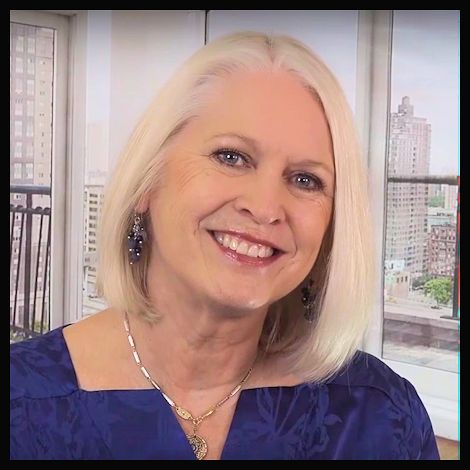

Choosing Life and Becoming a Victor Instead of a Victim
By Paula Black
"You have cancer."
Three words that can change your world in an instant.
But what happens when those words are followed by something even more devastating?
"You have only three to six months to live."
Those were the words my doctor spoke to my husband, Dale, concerning my prognosis if I didn't undergo the additional treatments he recommended.
I understood the seriousness of my diagnosis. But I eventually realized something important: A doctor's prognosis is not God's final word over my life.
A physician can provide medical findings and an informed estimate. But no human being knows with certainty how many days another person has left.
The question becomes: What will you do with those words? Accept them as your destiny? Repeat them? Or renounce their authority over your future?
Are You Agreeing with Life or Death?
Deuteronomy 30:19 (NKJV) tells us:
"I have set before you life and death, blessing and cursing; therefore choose life, that both you and your descendants may live."
During my cancer journey, this principle became intensely personal.
I began recognizing that words carry influence. When someone in authority speaks a devastating prediction, those words can take root in our thinking and become something we continually rehearse.
From my spiritual perspective, a pronouncement of death can function like a curse when we receive it as an unchangeable verdict.
I decided I would not give that prediction authority over my life.
I renounced the declaration that I had only months to live. Instead, I chose to proclaim God's promises of life and healing.
This didn't mean pretending cancer wasn't present. It meant refusing to let a prognosis become my identity or determine my response.
Victim or Victor? You Decide.
There's a familiar saying attributed to Henry Ford:
"Whether you think you can, or you think you can't—you're right."
I believe there's an important principle here.
What we believe influences what we say, the decisions we make, and the actions we take.
When I was diagnosed, I faced a choice. Would I see myself as a helpless victim of cancer, or would I take responsibility for the decisions still within my control?
I chose to become an overcomer.
In Life, Cancer and God, I describe a defining moment when another doctor explained the seriousness of my condition.
Looking at my family, I made a declaration:
"I choose life."
Those weren't empty words. They represented a decision to pursue healing with everything I had.
Speak What You Are Believing For
I began deliberately speaking God's promises over my life.
Rather than repeatedly declaring sickness and death, I spoke of health, healing, and the future I believed God had for me.
This became part of what Dale and I call heart-talk—aligning our thoughts, words, and actions with God's Word.
If you've received a frightening diagnosis, consider beginning with this declaration:
"I acknowledge my diagnosis, but I do not accept a prediction of death as my destiny. I renounce hopelessness and declare that I choose life. I receive God's promises of healing and will take wise, purposeful action to care for the body He has given me."
Faith does not require denying medical realities or refusing appropriate care. Nor does a person's outcome measure the strength of their faith.
But whatever circumstances you face, you can choose how you respond.
You are more than your diagnosis. Your prognosis is not your identity.
Choose life. Speak life. And take your next step with faith and purpose.
For more about my personal journey through terminal cancer and the spiritual principles that guided my decisions, I invite you to read Life, Cancer and God.
Standing in faith with you,


Comments